Can Use Cordless Electric Lawn Mower to Cut Wet Grass?
In lawn maintenance, cordless electric lawn mower have become the preferred tool for many households due to their eco-friendly, low-noise operation and ease of use. However, during rainy seasons, in the early morning when there is dew, or after sudden rainfall, the question of “can it be used to mow wet grass?” becomes a frequently asked question that troubles many users.
They want to trim overgrown lawns promptly but are worried about safety hazards, equipment damage, or lawn damage. In fact, cordless electric lawn mower are not absolutely unsuitable for mowing wet grass, but mowing wet grass carries multiple risks and is not recommended as a regular practice.
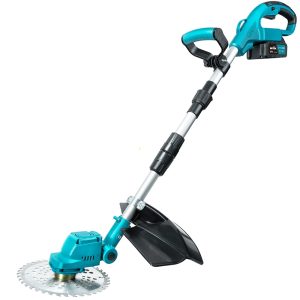
Why is Wet Grass Difficult to Cut?
Wet grass Sticks Together
Moisture causes a sticky film to form on the surface of the grass blades. Unlike dry grass, wet grass, after being cut, does not disperse but clings tightly to the blades and the underside of the mower deck. This hinders the normal rotation of the blades, causing the equipment to jam, leading to overload and even shutdown.
Increased Cutting Resistance
Wet grass, due to absorbing water, is heavier and more resilient than dry grass. The motor of a cordless rechargeable lawn equipment needs to output more power to cut the grass blades. This not only accelerates battery drain but also shortens the motor’s lifespan in the long run.
Poor Trimming Results
Wet grass blades are soft and resilient, making them prone to slipping when the blades rotate at high speed. This makes electric lawn mower precise cutting difficult, resulting in tearing rather than clean cuts. This not only leads to an uneven lawn appearance and rough cuts but also increases the risk of disease infection due to damaged grass blades.
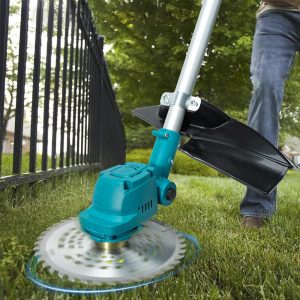
Safety Hazards of Mowing Wet Grass
The safety hazards of mowing wet grass mainly focus on two core dimensions: personal safety and equipment safety. The risks are direct and often hidden.
Risk of Slips and Falls
Wet lawns significantly reduce ground friction, making it easy for operators to lose their balance when walking or turning, potentially leading to slips and falls.
Electrical Safety Hazards
If moisture seeps into the motor, battery compartment, or wiring ports of a cordless electric lawnmower, it can cause short circuits and electrical leakage. Even models with sealed designs can have their protective layers damaged by prolonged or excessive exposure to moisture, leading to the risk of electric shock.
Risk of Injury from Obstacles
Wet grass can conceal stones, branches, and other debris underneath, making it difficult for operators to detect them in advance. When the high-speed rotating blades of the lawnmower strike these objects, the debris can be thrown outwards, striking the operator or people nearby.
Long-term Damage Risk
Residual moisture accelerates the corrosion of metal parts such as blades and screws of electric lawn mower, leading to dull blades and loose structures. This can cause problems such as blade detachment and loss of control during subsequent use, with safety hazards accumulating over time.
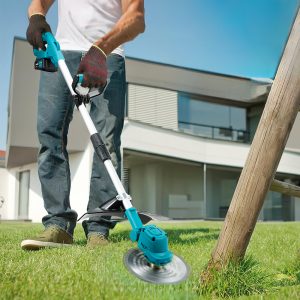
How to Safely Mow Wet Grass with Electric Lawn Mower
The key to safely mowing wet grass is risk control, load reduction, and strong protection. The following provides a complete safety operation plan to minimize personal and equipment hazards when using electric lawn mower:
Equipment Selection
Prioritize high-voltage, sealed battery compartment, and waterproof brushless models. Check the battery interface and motor housing for damage, ensure screws are tightened, and blades are free of rust to prevent water from seeping in through gaps.
Safety Protection
Wear tight-fitting waterproof clothing to prevent loose clothing from getting caught in the electric lawn mower; wear safety glasses if necessary to prevent grass clippings and mud from splashing into your eyes.
Environmental Inspection
Before mowing wet grass, carefully remove obstacles such as stones and branches from under the wet grass, and avoid mowing steep slopes or other slippery areas.
Parameter Adjustment
Adjust the cutting height to 35-50mm to prevent the blades from tearing grass roots or scratching the wet, soft soil.
Scientific Operation
When mowing wet grass, mow dry areas first, then wet areas, to prevent cross-contamination of moisture; maintain a constant speed when pushing, do not force the mower over clumps of wet grass, and stop and clear any obstructions immediately if resistance is encountered.
Equipment Cleaning and Drying
After mowing, remove the battery and clean off grass clippings with a brush. Then wipe the machine body with a wrung-out damp cloth and place it in a well-ventilated, dry place to dry completely before storing.
Emergency Procedures
If the equipment jams: You should immediately disconnect the power and remove the battery, use a tool to clear any clogged grass clippings, and restart only after confirming there are no malfunctions. Do not attempt to force it to start;
If you accidentally slip: You must immediately release the equipment’s handle and move away from the rotating blades. Wait until the equipment has completely stopped before getting up and addressing the situation;
While mowing wet grass is not a typical scenario for cordless battery operated lawn, following proper procedures can mitigate safety hazards and equipment damage. This ensures both effective grass cutting and protects your safety and the health of your lawn.
As a professional cordless gardening tool manufacturer in China, MVM specializes in cordless power tools. If you have bulk purchasing plans or customized requirements, please feel free to contact us. We will provide you with detailed solutions to make lawn maintenance more efficient and worry-free.