Chainsaw Buying Guide:Select the Best Chainsaw
Whether you need to trim backyard branches, cut seasonal firewood or clear thick timber for farm maintenance, a suitable chainsaw greatly improves working efficiency. With various sizes, power types and specifications flooding the market, many buyers feel confused when picking tools. This complete buying guide sorts chainsaws by user group, bar length and power source, introduces core functional features and safety gear, helping you quickly find an ideal MVM chainsaw matching your actual needs.
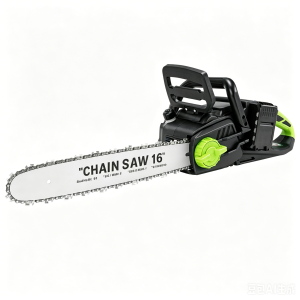
Chainsaw Buying by Guide Bar Size
Guide bar length directly decides the maximum cutting diameter of a chainsaw, which is the most straightforward standard to narrow down your options. We split chainsaws into three sizes for different tasks.
6-14 inch bars
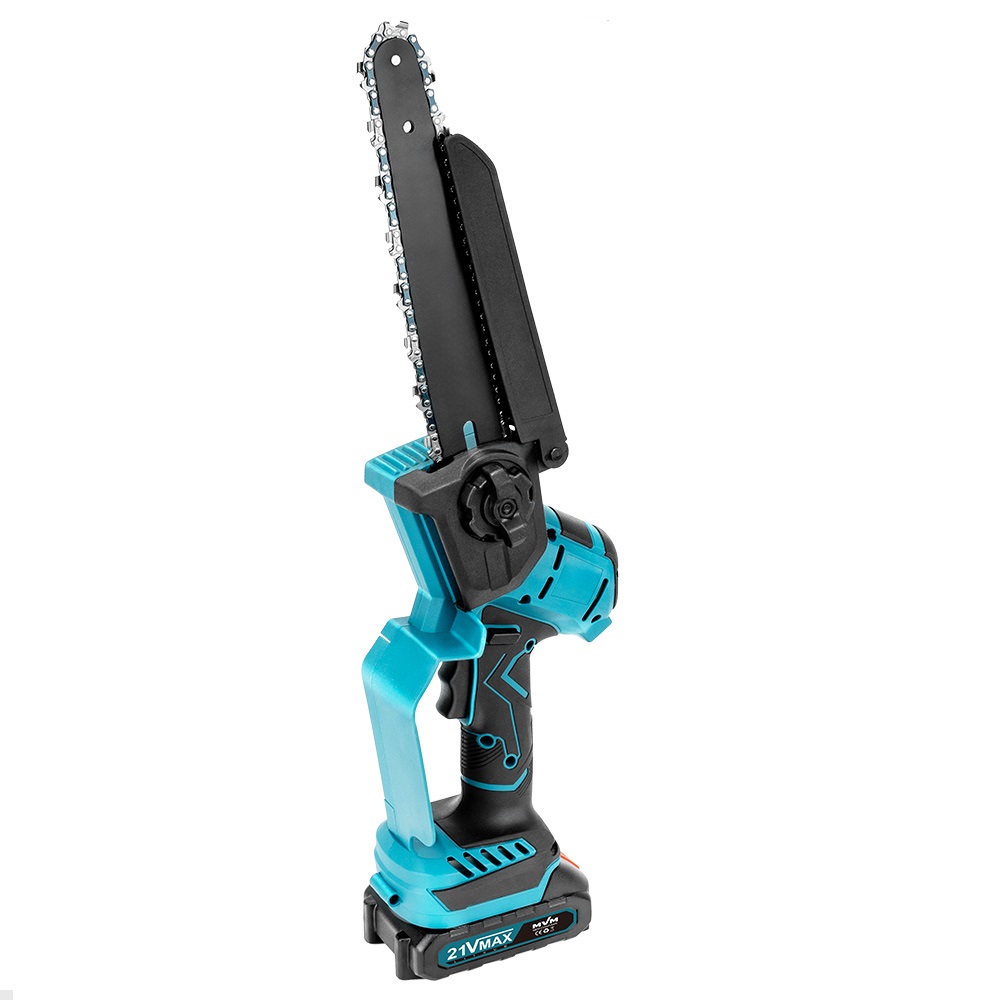
Best for small-scale pruning, trimming fruit tree twigs and cleaning up thin fallen branches around yards. Compact and lightweight, these small chainsaws are popular for occasional home use and beginners, unable to cut thick trunks over 15cm.
16-18 inch bars
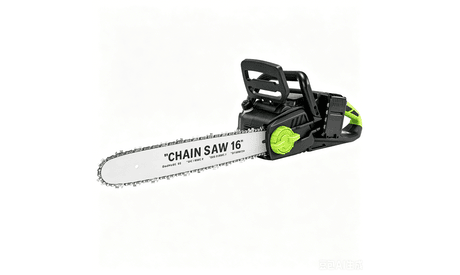
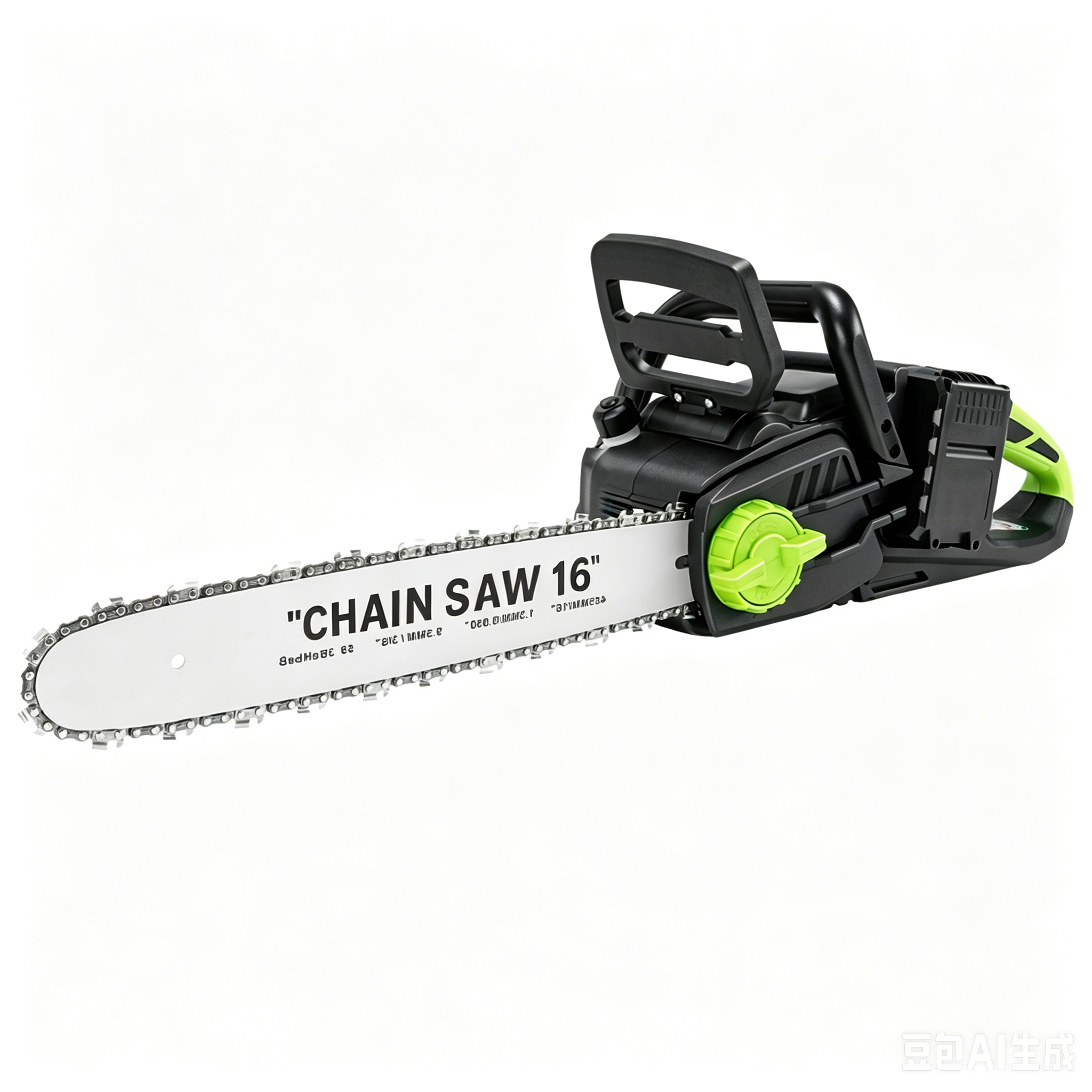
The all-around pick for regular homeowners and small farm owners. It handles daily firewood cutting, medium-diameter trunk felling and general garden clearance, balancing portability and cutting power perfectly. This is MVM’s best-selling specification for home users.
20 inch and above bars
Designed for farm heavy workload and professional landscaping work. Ideal for cutting large thick logs, mature tree felling and land clearing. Higher engine/motor output matches the long bar to finish heavy cutting efficiently.
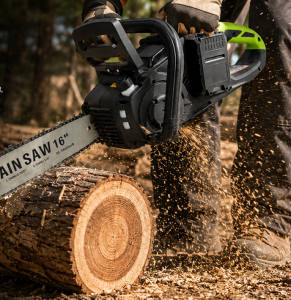
Classify by User Group
Chainsaws are designed for three core user groups with different working frequency and workload: homeowner, farm & ranch owner and professional arborist. Each group matches exclusive size, power and configuration.
Homeowner Users
Most residential homeowners turn to chainsaws only a few times every year. Their daily needs focus on trimming overgrown backyard branches, tidying fallen limbs after storms and cutting small piles of firewood for winter use. They seldom deal with thick tree trunks or large-scale tree removal. Compact cordless chainsaws with 6–14 inch guide bars fit their needs perfectly. These lightweight units are easy to start, simple to store and require little daily maintenance, making them friendly for inexperienced beginners and elder gardeners.
Farm & Ranch Users
Farm owners rely on electric chainsaw all year round. Apart from regular orchard trimming, they need to process large quantities of firewood, clear fallen trees on pasture and fix roadside overgrown vegetation. Medium-sized chainsaws with 16–18 inch bars, either high-capacity battery or gas-powered versions, become their preferred option. Balancing portability and cutting strength, these units deliver steady continuous power to handle repeated medium-heavy cutting tasks efficiently.
Professional Arborists
Professional operators work with chainsaws every single day for full-day tree removal, large-area land clearing and commercial landscape projects. They need heavy-duty chainsaws with 20-inch or longer guide bars, equipped with strong power output, premium anti-vibration systems and wear-resistant internal components. Such robust construction lets the machine withstand nonstop heavy cutting under harsh outdoor working conditions.
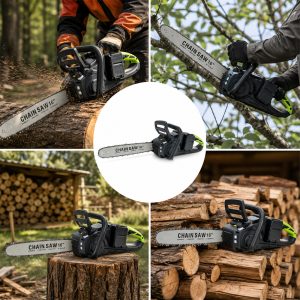
Corded vs Cordless Chainsaw
When picking an electric chainsaw, buyers mainly choose between corded and cordless battery-powered types. Each design comes with unique strengths and suitable application environments.
Corded Electric Chainsaw
Plug-in electric chainsaw connect directly to household power outlets. They deliver consistent non-stop power without worrying about battery drain mid-cut. With no expensive battery packs included, these tools are usually more budget-friendly and require less complicated maintenance.
However, the power cord limits movement range, so they are only ideal for small backyard jobs near outdoor sockets, indoor wood cutting or fixed-position pruning work. Long-distance or off-grid outdoor trimming is not feasible with corded units.
Cordless Battery Chainsaw
Battery-driven cordless chainsaws remove cable restrictions completely, letting users move freely across yards, orchards and remote woodlots. Most modern models run on rechargeable lithium batteries, featuring low noise, zero exhaust and simple startup.
Light small-battery versions fit occasional homeowner pruning, while high-capacity heavy-duty batteries support long-hour farm cutting tasks. The only downside is limited runtime per single charge, and extra spare batteries are needed for all-day heavy workloads.
How to Choose the Best Chainsaw
Workload & Frequency
If you only trim branches a few times every year for home yard maintenance, a lightweight small cordless electric chainsaw with short guide bar can fully satisfy daily pruning needs. For farm owners who need to cut firewood and clean up branches all year round, medium-sized battery or gas chainsaws with stable continuous power become the reliable option. Professional lumberjacks and landscaping crews doing all-day tree felling and land clearing should go for heavy-duty chainsaws of 20 inches and above with strong peak power.
Working Location
When your cutting area is close to household power sockets such as garages and nearby backyards, corded electric chainsaw is economical and steady with unlimited runtime. If you need to work in scattered orchards, remote woodland and fields without available electricity supply, cordless lithium or gas-powered chainsaw is much more flexible without cable restriction.
Budget & Features
Budget-friendly basic electric chainsaw are enough for occasional household trimming and focus on simple operation and light weight. If you plan to use the tool frequently for several years, spend a little more on models equipped with automatic oiler and anti-kickback function; these practical features effectively lower operation risks and prolong the whole machine’s service life.