How Often Should You Mow Your Lawn with a Lawn Mower ?
The lawn is often the largest area in a garden. If it’s neglected for a long time, the entire garden will appear untidy and unorganized. You might be wondering: How often should you mow your lawn with lawn mower? Regular mowing is one of the most practical lawn care techniques, and choosing an appropriate lawn mower provides a reliable tool for efficient mowing. Below, we’ll explain the optimal mowing frequency for your lawn and provide some lawn mower usage tips to help you clearly understand when to use your lawn mower for mowing lawn maintenance.

Common Lawn mower types
Manual push mower
Unpowered, they rely on manual labor to propel the blades. They’re suitable for small lawns under 100 square meters. They’re quiet and maintenance-free, but they’re labor-intensive and can only cut short grass.
Corded electric mower
Plug-in powered, stable power, suitable for lawns under 200 square meters with access to a power source. They’re easy to operate and quiet, but their range is limited by the cord.
Cordless electric mower
Lithium-ion battery-powered, they’re suitable for lawns between 200 and 500 square meters. They’re flexible and portable, but their battery life depends on the battery capacity and requires regular recharging.
Gas-powered mowers
Gasoline-powered, powerful, suitable for lawns over 500 square meters or densely weeded areas. They can handle complex terrain, but they’re noisy and require regular maintenance and refueling.

Factors affecting your lawn mowing frequency
Season and Climate
Season and climate are the most critical factors affecting lawn mowing frequency, directly determining the growth rate of lawn grasses. In spring, with suitable temperatures and ample rainfall, most lawn grasses enter a rapid growth phase, requiring the most frequent mowing, typically every 7-10 days. In summer, if temperatures consistently exceed 30°C or rainfall is scarce, lawn growth slows significantly, and mowing intervals can be extended to 10-15 days. However, if the summer is rainy and cool, a mowing frequency of 7-10 days is still necessary. In autumn and winter, when temperatures drop, lawn grasses generally enter a dormant period, and in warmer southern regions, mowing may be required every 1-2 months.
Lawn Grass Species
Different grass species have significant variations in their natural growth habits, which directly impacts mowing frequency:
Cool-season grasses, such as tall fescue and ryegrass, grow in northern China. They experience vigorous growth in spring and autumn, slowing down in summer. Therefore, they require frequent mowing during spring and autumn.
Warm-season grasses, such as bermudagrass and zoysiagrass, grow in southern China. They grow fastest during the summer heat and require frequent mowing. They go dormant in winter and rarely require mowing.
Maintenance conditions
Different scenarios require different lawn heights, which directly impacts mowing timing:
If you’re looking for an ornamental lawn, such as a garden or park, you’ll want a lower lawn height. You should use small lawn mower to cut it when the grass reaches 1.5 times its desired height to avoid excessive growth that affects aesthetics. Therefore, mowing should be done more frequently. On the other hand, if you’re using a practical lawn, height requirements are less stringent. You can wait until the grass is 10-15 cm tall and mow less frequently.
Type of mower used
The efficiency differences between different types of mowers will require users to adjust their mowing schedule based on the tool’s efficiency:
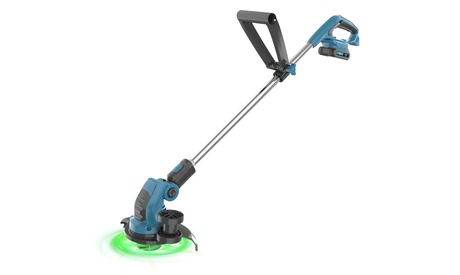
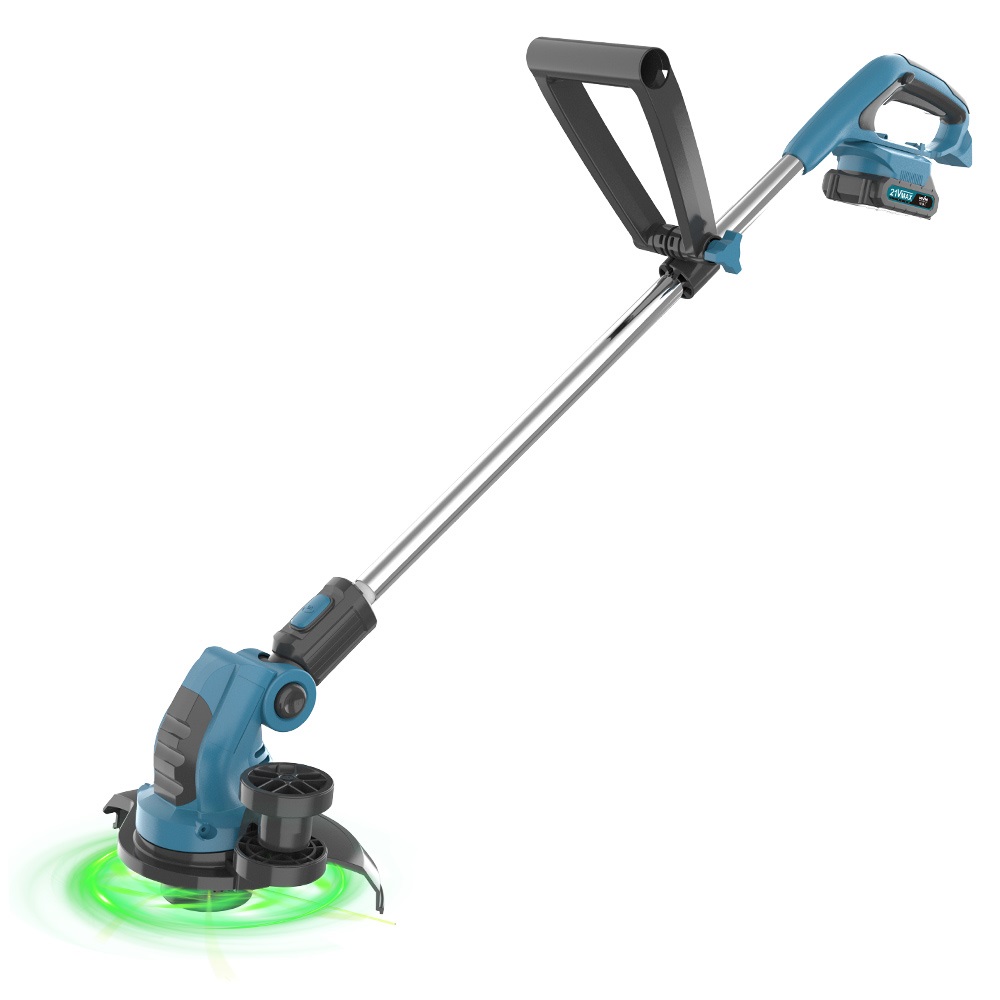
Small electric grass trimmers have low efficiency. If your lawn is slightly larger than the proper size, mowing at the ideal frequency will take too long, forcing you to extend your mowing intervals, resulting in a lower-than-desired frequency.
Cordless mowers are highly efficient, allowing users to mow even larger lawns quickly. This allows you to maintain your desired mowing frequency without delays.

Tips for mow grass properly
The optimal mowing strategy for a healthy lawn is based on moderation, regularity, and scientific principles. This core principle adheres to the “one-third rule,” which can be adjusted flexibly based on the season, grass species characteristics, and tool availability.
The one-third rule
This is the core principle for healthy mowing: each time you mow, you should cut no more than one-third of the grass’s current height. For example, if you want your lawn to have a final height of 5 cm, you should mow when the grass is around 7.5 cm tall, removing only 2.5 cm. Cutting too much at once significantly reduces the lawn’s photosynthetic area, weakening its resistance and making it more susceptible to withering and yellowing.
Keep your blades sharp.
A dull blade tears the grass rather than slices it, resulting in a rough cut, rapid moisture loss, and yellowing and drying. Therefore, we recommend use lawn mower mowing every 3-5 days. Sharpen the blades every 20 minutes, or replace them with new ones annually.
Choose good weather
If you don’t mow during rainy days or when the lawn is wet, the grass will stick to the blades, resulting in an uneven cut. The wet soil will also become compacted after being rolled over. If you don’t mow during the high temperatures of midday, the moisture in the grass will evaporate quickly, causing it to wilt.
Mowing your lawn isn’t just about improving your yard’s aesthetics; its core purpose is to promote healthy, lush growth. Using the right mowing method and frequency allows your lawn to thrive with less stress and manual labor. While mowing frequency is influenced by many factors, mastering a scientific strategy and using the right mower can easily achieve perfect lawn care.
If you’re struggling to find the right lawn mower for your lawn, you can contact us. As a professional manufacturer of lithium-ion battery-powered garden tools, we draw on our extensive experience to provide detailed lawn mower usage guides and how ofeten mowing frequency recommendations, helping you maintain your lawn efficiently.