How to Choose the Suitable Cordless Drill Bit
Struggling to pick the right cordless drill bit for DIY projects, home repairs, or professional use? This all-inclusive guide simplifies the process, covering common drill bit types and their specific applications to match your task needs. We dive into material compatibility—matching bits with wood, metal, concrete, or plastic—to ensure efficient drilling and avoid damage. Follow this guide to easily identify high-quality bits and make confident, informed choices for any project!
What is a Cordless Drill Bit
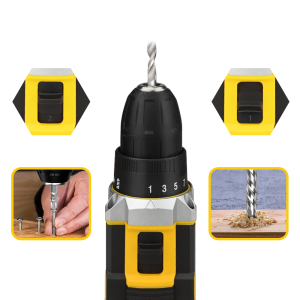
A cordless drill bit is the core cutting accessory used with a cordless drill and a key consumable for completing drilling operations. It is mainly driven by the drill motor to rotate at high speed, and with the help of the hard cutting edge and special structural design of the head, it cuts and drills on the surface or inside of various materials such as wood, metal, brick, stone, and glass. Its quality directly determines the drilling efficiency, hole accuracy, and operational stability, and is the core support for the cordless drill to perform its functions.
Types of Drill Bits
Cordless drill bit set come in a wide variety of types and are clearly categorized for different scenarios. Different materials and structures of drill bits correspond to different processing needs. They can be precisely classified according to two main dimensions: processing materials and functional requirements. Each type bits for drilling has been designed specifically for this purpose. Different materials are adapted to the hardness of the processing object, and the structure is matched with the drilling method and effect, which can maximize drilling efficiency, extend the service life of the drill bit, and avoid problems such as chipping and material breakage.
Woodworking Drill Bits
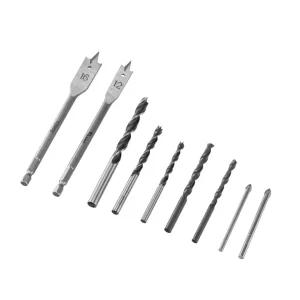
Specifically designed for wood, such as solid wood, particleboard, and MDF, these drill bits feature sharp cutting edges and wide chip flutes, resulting in fast drilling speeds and minimal chip buildup. Common types include flat drills, twist drills, and hole saws, making them suitable for home DIY projects and woodworking.
Metal Drill Bits
Designed for metals such as steel, aluminum, and copper, these drill bits are mostly made of high-speed steel or cobalt-containing high-speed steel. They have high hardness and strong wear resistance, and the cutting edge angle is steeper, which reduces slippage. They are very suitable for home appliance repair and metal processing.
Concrete Drill Bits
These drill bits also known as impact drill bits, have carbide cutting edges embedded in their heads. They are designed for the impact function of electric drills and can handle hard materials such as concrete, brick walls, and stone. They are typically used for drilling holes in renovations and installing fasteners.
Tile/Glass Drill Bits
Specialized for processing brittle materials. Tile drill bits are mostly made of carbide triangular tips to reduce edge chipping, while glass drill bits use diamond coating or sintering processes and require low-speed drilling to avoid material breakage.
Multi-Material Drill Bits
This type drill bits are highly versatile., which are mostly made of carbide and their cutting edges are designed to work with various materials such as wood, metal, and plastic. They are suitable for DIY users with diverse needs, eliminating the need for frequent drill bit changes.
Different Drill Bit Sizes
Drill bit size directly determines the hole size. It’s primarily categorized by diameter + length, with specific specifications for different applications.
Diameter
The diameter of the drill bit determines the hole size, commonly measured in millimeters. For home DIY projects, common diameter ranges are 1-13mm, covering everyday screw installations and pipe routing. Professional applications can extend to 20mm and above. For example, a “5mm drill bit” refers to a 5mm diameter bit; it’s crucial to select the correct size strictly according to the required hole size.
Length
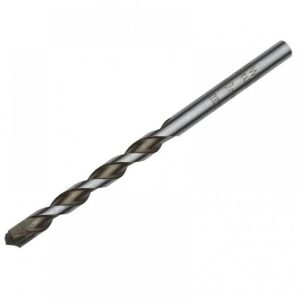
The length of the cordless drill bit affects the drilling depth. It is divided into effective cutting length and total length. Generally, short shank drill bits are suitable for shallow holes and narrow spaces; long shank drill bits are suitable for deep drilling, such as fixing deep in walls, and the choice should be based on the material thickness.
Performance of Different Drill Bit Shapes
Drill head types shape is a core factor determining drilling performance, directly affecting cutting efficiency, chip removal smoothness, hole accuracy, and even material compatibility and operational stability. Its performance impact is precisely conveyed through three core design dimensions: cutting edge angle, chip flute structure, and head shape.
Helical Flutes
Helical flutes are the most mainstream design. They primarily use a helical structure to discharge drilling debris along the flutes. The helix angle is crucial: a large helix angle results in faster chip removal and avoids chip buildup and jamming, making it particularly suitable for materials like wood that easily generate large amounts of debris; a small helix angle provides more stable chip removal and allows for precise control of chip discharge, making it suitable for metal drilling and preventing chips from scratching the hole wall or affecting cutting accuracy.
Triangular Drill Bits
The triangular head provides a small contact area and disperses pressure, effectively reducing impact on brittle materials such as ceramic tiles and glass, preventing chipping and breakage during drilling, and significantly improving the success rate.
Step Drill Bits
These drill bits feature a stepped, graded head design, integrating multiple diameter specifications in one piece. They can process stepped holes of different sizes in a single operation, eliminating the need for frequent drill bit changes. They are particularly suitable for efficient drilling of thin metal sheets and plastic sheets, greatly improving work efficiency.
Maintaince of Drill Bits:
The core of cordless drill bit set maintenance is reducing wear, timely cleaning, and proper storage. These three points are interconnected and indispensable. Fully implementing them can significantly extend the service life of drill bits and maintain stable drilling efficiency and accuracy over the long term.
Reduce Wear
When using cordless drill bit, ensure precise matching between the drill bit and material, adjust the appropriate rotation speed, maintain a constant feed rate, and avoid rough handling. When cutting hard metals, ensure proper cooling and lubrication. Do not use drill bits on incompatible materials to reduce edge wear or chipping.
Clean Promptly
After use of cordless drill bit, immediately clean any remaining chips from the drill bit’s cutting edge and chip flutes to prevent them from solidifying and affecting subsequent use. Check the cutting edge wear; apply rust-preventive oil to drill bits prone to rust, especially in humid environments.
Store Properly
After use, sort drill bits by type and size and place them in a dedicated storage box or drill bit holder to prevent collisions and friction. Store drill bits sets in a dry, well-ventilated environment.
Choosing the right drill bit for your cordless drill can make your renovation work much more efficient. Unsure which drill bit suits your needs, or want to learn more about professional selection and maintenance tips?
Feel free to contact us anytime. MVM’s professional team will provide you with precise guidance to help you choose the right drill bit set and easily solve all kinds of drilling problems!