How to Use Cordless Garden Tiller
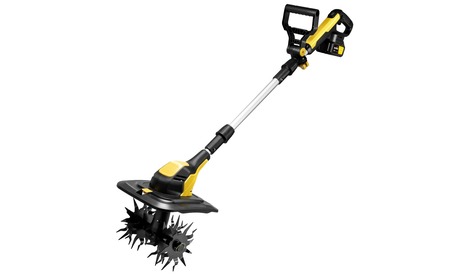
When tending to your garden or vegetable plot, loosening the soil is a crucial step in plant cultivation. Manual tilling is not only time-consuming and laborious, but also easy to damage the soil structure. The emergence of cordless garden tiller has completely solved this pain point — they are free from cord constraints and gasoline-driven, lightweight and easy to operate. They can efficiently break up compacted soil, clear weeds, and protect soil aeration, making gardening work easy and efficient.
Whether you are a gardening beginner or need to take care of a small planting area, mastering the correct use of a cordless cultivator will make soil cultivation more worry-free and plant growth healthier. This article will detail the operation steps, safety regulations and maintenance tips of cordless cultivators to help you get started quickly and give full play to the tool’s value.

Why Use a Cordless Garden Tiller
Highly efficient
It completely replaces heavy manual digging and raking, easily breaking up compacted soil without excessive physical effort. This saves a huge amount of time and energy for garden maintenance, seedbed preparation, and large-area soil loosening tasks.
Improves soil condition effectively
It gently loosens hard, packed soil to boost air circulation and water absorption, while evenly mixing in fertilizer, compost, or soil amendments. This creates a loose, nutrient-rich environment that supports stronger root growth and healthier plants.
Wide range applications
Perfect for preparing vegetable plots, tending flower beds, clearing weeds, refining seedbeds, and mixing soil nutrients. It works well in home gardens, small planting areas, and tight corners where larger machines cannot reach.
Cordless convenience
Free from tangled power cords and messy gasoline, it allows full freedom of movement anywhere in the garden. It starts instantly with the push of a button, runs quietly, produces no fumes, and is far more convenient for daily residential gardening use.
Pre-Operation Preparation and Safety
Preparation
Before operating your cordless garden tiller, take time to fully prepare both the machine and your work area. Make sure the lithium-ion battery is fully charged to avoid interruptions during use. Clear the soil surface of stones, branches, wires, and hard debris that could damage the tines or cause kickback. Check the soil condition—slightly moist soil works best, while overly wet, muddy, or extremely dry, hard soil can reduce efficiency and strain the motor.
Safety Rules
Always prioritize safety when using a cordless tiller. Keep the battery removed when assembling, adjusting, or cleaning the machine to prevent accidental startup. Wear protective gloves and safety glasses to shield against flying dirt and debris. Keep hands, feet, and loose clothing away from rotating tines at all times. Ensure children, pets, and bystanders stay well clear of the working area. Never force the machine; allow the tines to work naturally to maintain control and avoid injury.

Step-by-Step Operation Tips
Install the Battery
Insert the fully charged lithium-ion battery into the battery slot until you hear a clear “click” to ensure it is securely locked. Do not force the battery; align it properly to avoid damaging the connector.
Adjust Working Depth
Set the depth guard according to your task: use a shallow setting for weeding and surface loosening, and a deeper setting for soil preparation and mixing nutrients. Make sure the tiller is stable before starting.
Start the Tiller Safely
Hold the handle firmly with both hands, press the safety lock button, then squeeze the trigger to start the machine. Wait for the tines to run smoothly before moving toward the soil.
Proper Cultivating Technique
Move forward slowly and let the tines dig naturally. Maintain a steady speed and overlap each row slightly for even tilling. For hard or compacted soil, make several shallow passes instead of trying to till deep in one go.
Stop the Machine Correctly
Release the trigger to stop the tines. Wait until the blades completely stop spinning before setting the tiller down, adjusting parts, or clearing debris.
Maintenance After Use
Clean the Machine Thoroughly
After use, remove the battery of cordless cultivator first to avoid accidental startup. Use a soft brush or dry cloth to clean soil, grass clippings, and debris from the tines, machine housing, and ventilation vents. This prevents debris buildup from causing overheating, jamming, or damage to internal components.
Inspect and Store Properly
Check for loose screws, worn tines, or damaged parts, and tighten or replace them in time. Wipe the entire cordless cultivator dry and store it in a cool, dry, well-ventilated area, away from direct sunlight and moisture to prevent rust and component deterioration.
Mastering the proper operation and regular maintenance of your cordless garden tiller not only ensures safe and efficient gardening work but also greatly extends the service life of the machine. With its lightweight design, cordless freedom, and strong performance, it has become an essential tool for modern home gardening.
We focus on providing high-quality cordless outdoor power tools and support customized OEM & ODM services. From product parameters and appearance design to packaging and full-chain supply, we offer stable quality and professional solutions for global brands, distributors and importers. Welcome to contact us for bulk orders and long-term cooperative development.