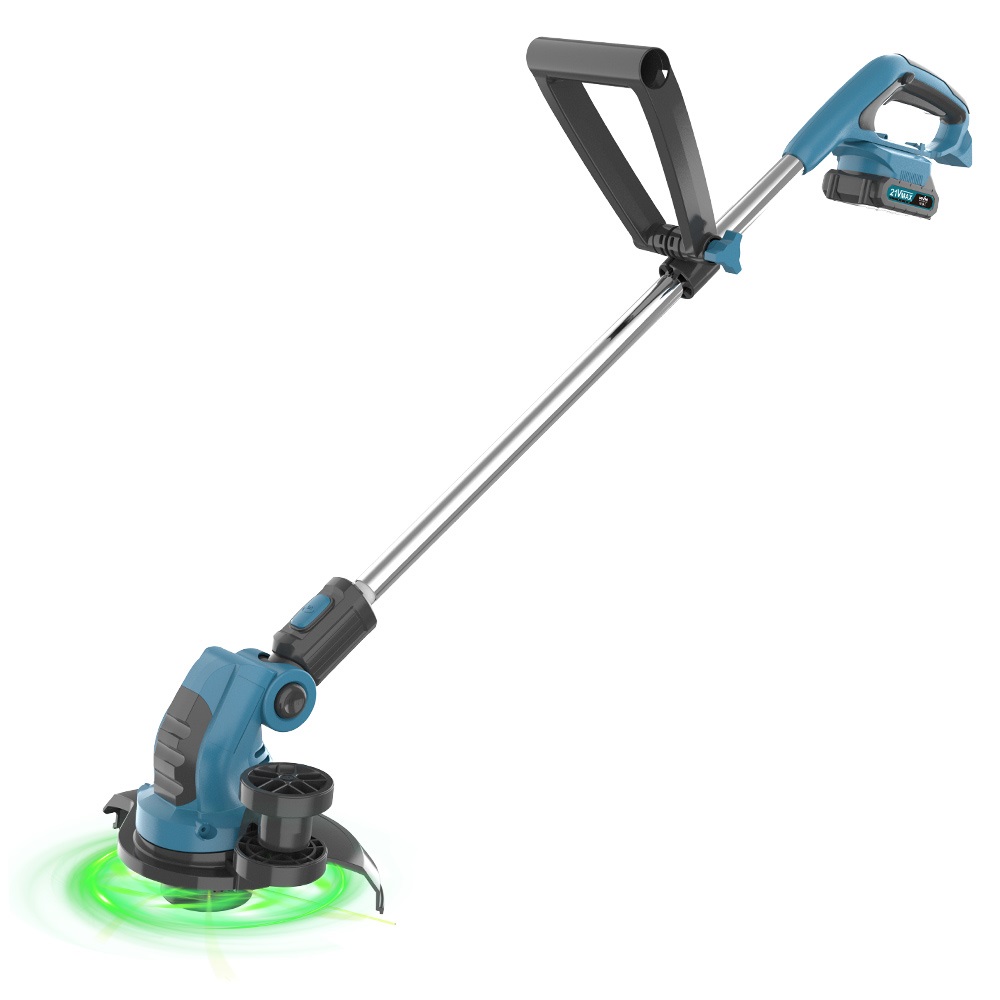
The Best Time to Mow Your Lawn with Grass Cutter
The core of lawn maintenance is choosing the right time and using the right method. As the most basic maintenance link, mowing time directly affects the lawn growth and the user experience of grass cutting equipment. Many people ignore the importance of mowing time and operate randomly only according to their own schedule, which not only leads to poor lawn growth and weed spread, but also may increase the load of the lawn mower and shorten its service life.
Focusing on the best mowing time, this article provides a scientific and easy-to-understand lawn trimming guide combined with seasonal characteristics and practical scenarios, helping to create a neat and beautiful garden landscape.
Why Regular Lawn Mowing Is Important
Regular lawn trimming is far more than just keeping grass short. With proper and consistent cutting, your lawn and grass cutter can stay in better condition all year round.
Promote Dense Growth
First, routine mowing encourages dense and even grass growth. Cutting the top of the grass stimulates lateral tillering, making the lawn thicker, flatter and lusher. Overgrown grass grows unevenly, resulting in bare spots and messy visuals. Regular trimming keeps grass at a balanced height, creating a smooth, neat and comfortable yard view.
Enhance Resistance
In addition, proper trimming improves air circulation and sunlight penetration. Moderate grass height prevents excessive humidity inside the lawn, greatly reducing the risk of fungal infection, mildew and plant diseases. It also strengthens the lawn’s resistance to drought and pests, helping the grass survive extreme weather.
Protect Grass Cutter
Finally, regular lawn care eases the working pressure of your grass cutter. Overlong grass will cause clogging, stuck blades and extra wear during cutting. Maintaining a stable mowing routine makes every cutting process smoother, reduces machine failure, and extends the service life of your lawn mowing equipment.

The Best Time of Day to Mow
Mid-Morning: The Best Choice
Mid-morning is the most recommended time to cut grass. By 8 to 10 a.m., morning dew has fully evaporated, and the grass surface stays dry. The temperature is mild, which helps the grass recover quickly after cutting. Dry grass also avoids clogging your grass cutter and reduces the risk of lawn fungus. It creates a comfortable working condition for both the lawn and gardening tools.
Late Afternoon: Ideal Alternative
If you miss mid-morning, late afternoon from 4 p.m. to 6 p.m. is the second-best option. The intense midday heat fades away, preventing grass from drying out or sun scorch. Gentle weather reduces stress on the lawn, and there is still enough time before nightfall for grass to heal properly.
Best Mowing Time by Season
Spring
Spring is the recovery period for lawns, with grass growing rapidly. The best mowing time is still mid-morning (8:00-10:00), when the grass is dry and the temperature is mild. Wait until the grass grows to more than 4 inches for the first mowing, and keep a proper height to promote dense growth. Avoid mowing too early when there is still heavy dew to prevent grass cutter clogging.
Summer
In hot summer, avoid mowing during midday (10:00-16:00) when the sun is intense. Prioritize late afternoon (16:00-18:00) – the temperature drops, and the lawn is less likely to be sunburned. Properly raise the grass cutter height to 7–8cm to retain soil moisture and protect the lawn from drought. Do not mow immediately after rain; wait until the grass surface is dry.
Autumn
Autumn brings cool and stable weather, making mid-morning (8:00-10:00) the best mowing time. The mild temperature helps the lawn recover quickly after trimming. Finish the last mowing one week before the first frost, and keep the grass at a proper height to prevent mold and fungi in winter. Clean the grass cutter promptly after mowing to avoid grass clippings corrosion.
Winter
Most lawns enter dormancy in winter, so mowing can be reduced or even stopped. In warm areas , mow only on dry, sunny noons (11:00-13:00) when the grass is still growing. After mowing, maintain the grass cutter properly — clean it thoroughly and store it in a dry place to extend its service life.
Lawn Mowing Grass Cutter Maintenance Tips
Follow the One-Third Rule
Never cut more than one-third of the grass blade at a single time. Trimming too short will weaken the root system, cause yellowing and make the lawn vulnerable to heat and weeds. Gradual trimming keeps grass healthy and reduces pressure on your grass cutter.
Change Mowing Directions
Change your mowing route every time. Repeating the same direction leads to flattened grass, uneven growth and soil compaction. Alternating patterns keeps the lawn upright, fluffy and well ventilated.
Keep Blades Sharp
Sharp blades deliver clean cuts, while dull blades tear grass roughly. Ragged grass edges turn brown easily and catch diseases faster. Regular blade maintenance ensures neat cutting results and smooth operation.
Overall, choosing the right mowing time plays a key role in keeping your yard fresh and green. Mid-morning and late afternoon are the most suitable time of day for cutting grass, helping the lawn recover fast and lowering the risk of disease. Adjust your routine with the changing seasons to fit different weather and grass growth conditions.