The Ultimate Guide to Cordless Chainsaw Bar
As the support of a chainsaw cutting system, the chainsaw guide plate is not only a stable track for the high-speed operation of the chain, but also a key component for transmitting power and bearing cutting tension. Its material, size, and condition directly determine the cutting accuracy, efficiency, and the lifespan of the chain and the entire machine. A high-quality guide plate ensures smoother and safer cutting, while improper selection or neglect of maintenance can lead to chain jamming and accelerated equipment wear.
This guide will comprehensively unlock the core knowledge of chainsaw guide plates, from selection to use and maintenance, helping you avoid common pitfalls and ensuring your tools always maintain peak performance.
What is Cordless Chainsaw Bar
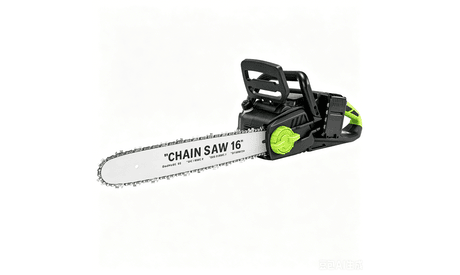
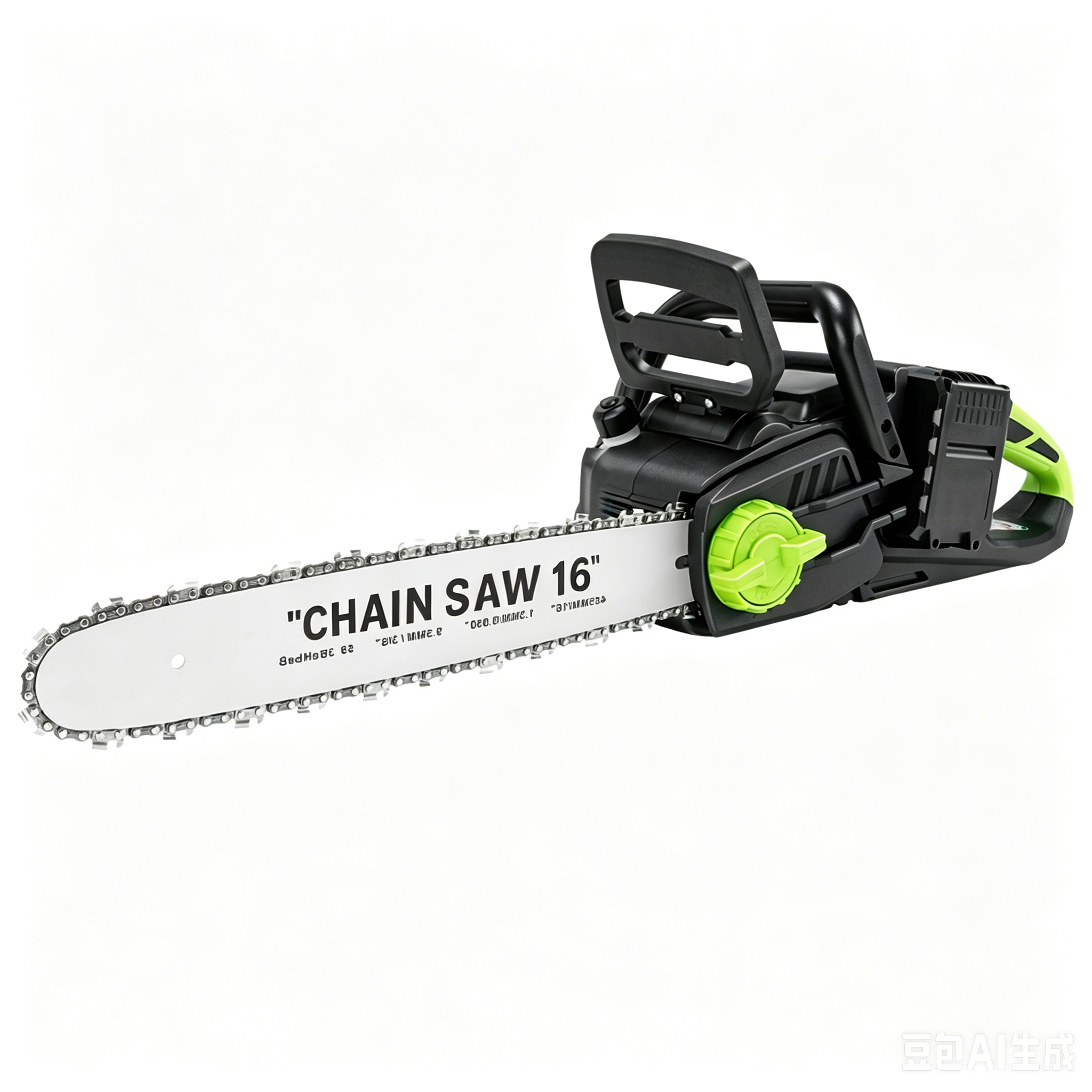
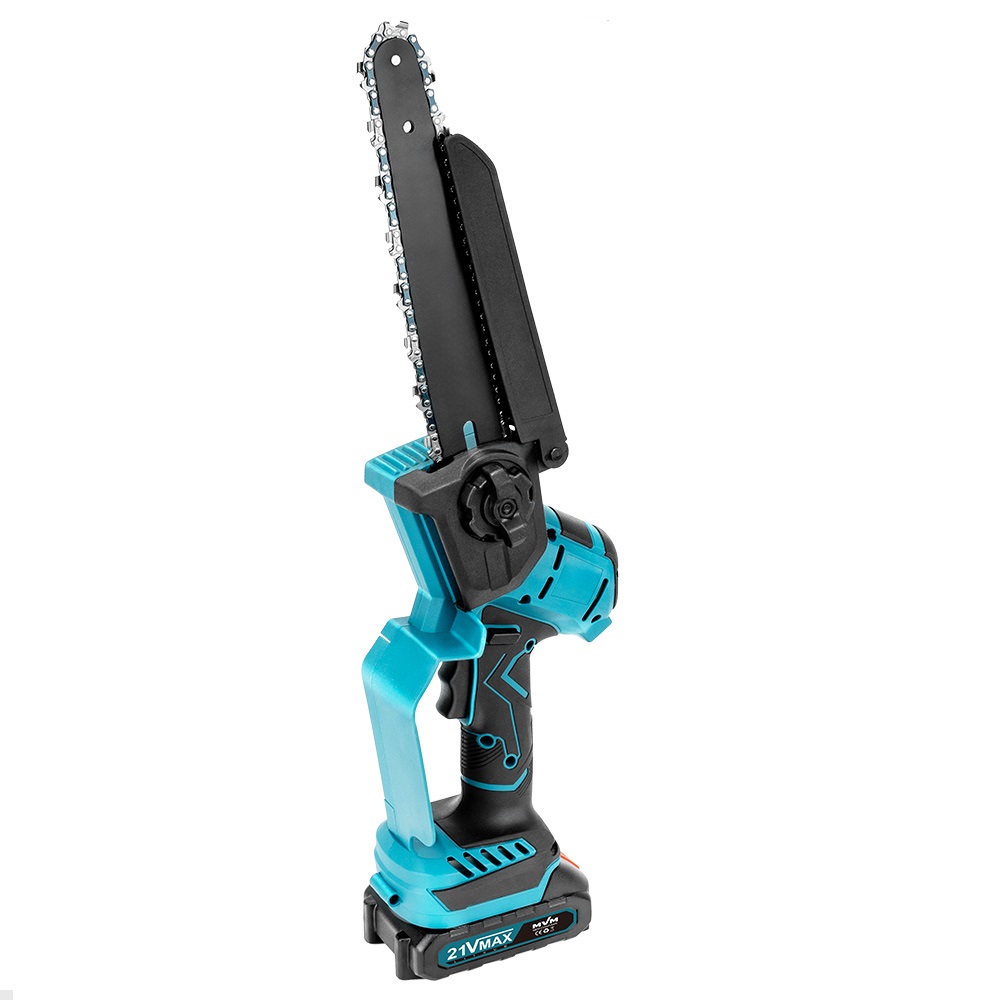
The chainsaw guide plate is one of the core components of a chainsaw. Essentially, it serves as the running track and load-bearing support structure for the chain. It is typically a long, strip-shaped metal plate with grooves on its surface to accommodate the chain. Both ends are connected to the chainsaw body via fixing devices, providing stable guidance for the high-speed chain and bearing the tension and impact forces during the cutting process.
Its core functions include three points: first, guiding the chain to run smoothly along a fixed trajectory, ensuring cutting accuracy and preventing chain deviation; second, distributing cutting pressure, protecting the chain and motor, and reducing operating wear; and third, delivering lubricating oil through oil holes to achieve lubrication and heat dissipation for both the chain and the guide plate, extending their service life.
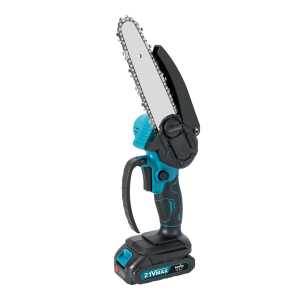
Chainsaw Bar Construction:
Guide Plate Body
A long, strip-shaped metal plate made of high-carbon steel, some sections with a wear-resistant coating; it forms the structural foundation.
Guide Plate Grooves
Grooves on both sides of the edge, precisely fitting the chain specifications and guiding the chain smoothly.
Guide Plate Head
A circular structure at the front end with an internal gear; its thickened and reinforced design handles concentrated stress.
Fixing Holes
Pre-drilled holes at the base for bolting to the machine body, ensuring a stable installation.
How to Measure a Chainsaw Guide Plate
Measuring a chainsaw guide plate involves accurately obtaining three key parameters: length, pitch, and thickness. The operation is simple and requires no special tools.
Measuring Guide Plate Length
Use a measuring tape to measure from the base of the guide plate to the outermost edge of the front end. Read the value directly. Tools typically use inches.
No need to deduct the internal structure of the guide plate head; directly measure the total length of the outer edge. For example, for a 6-inch or 8-inch guide plate, the corresponding value is the diameter of the wood suitable for the actual cutting capacity.
Measuring Guide Plate Pitch
The chain link spacing adapted to the guide plate groove must be exactly the same as the chain pitch. You can directly check the markings on the base or side of the guide plate and read them directly. If there are no markings, use calipers to measure the center distance between two adjacent chain link slots within the guide plate groove.
Measuring Guide Plate Thickness
The width of the guide plate groove must match the guide plate thickness of the chain; otherwise, the chain will be loose or jammed. You need to use calipers to measure the inner wall thickness of the guide plate groove.
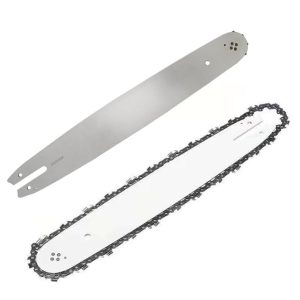
When to Replace the Cordless Chainsaw Bar
Severe Deformation Uncorrectable
The chainsaw guide plate shows obvious bending or lateral bending; gaps exceeding 1mm when measured with a ruler; or frequent chain misalignment and skewed cuts even after correction.
Excessive Wear in the Guide Plate Groove
The inner wall of the guide plate groove becomes thinner and wider, resulting in noticeable wobbling and gaps after the chain is inserted.
Cracks or Gaps
Cracks appear around the fixing holes on the guide plate body, head, or root; or there are gaps on the edges that cannot be repaired by grinding.
Severe Rust Affecting Use
Extensive rust on the guide plate surface; rust cannot be removed from the guide plate groove; or rust obstructs chain movement.
Persistent Faults After Maintenance
If chain jamming, poor cutting accuracy, and accelerated chain wear continue to occur frequently after cleaning, lubrication, and correction, it indicates that the guide plate has reached its service limit.
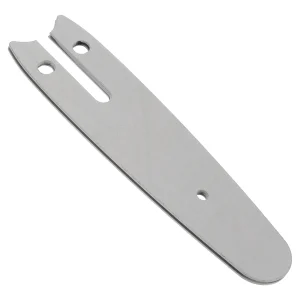
Extend the life of your chainsaw Guide Plate:
Proper Lubrication
Before each use, check the lubricant level and ensure the oil holes are clear. After starting, let the saw idle for 30 seconds to allow the lubricant to evenly coat the guide plate grooves and chain, preventing dry friction that can cause premature wear.
Keep Clean
After each use, use a brush to clean sawdust and oil stains from the guide plate grooves, focusing on unclogging the oil holes and oil passages to prevent impurities from accumulating and wearing down the guide plate. Before long-term storage, thoroughly clean the guide plate and apply rust-preventive oil to prevent rusting due to moisture.
Proper Operation
When cutting, keep the guide plate perpendicular to the wood to avoid excessive force on one side, which can cause deformation. Do not cut materials containing nails, stones, or other impurities to prevent scratches on the guide plate grooves.
Control Chain Tension
Regularly check the chain tension. Maintain a tension such that the middle of the chain can be lifted 1-2 cm when lightly pulled. Too loose a chain can cause the chain to skip teeth and wear down the guide plate, while too tight a chain increases friction between the guide plate and the chain, accelerating wear.
Prompt Cooling
During prolonged high-intensity operation, stop the machine for 5-10 minutes every 30 minutes to allow it to cool down and prevent the guide plates from deforming due to overheating.
Regular Inspection
After a period of use, use a ruler to check the flatness of the guide plates. If slight bending is found, correct it promptly. Replace the guide plates if they are severely deformed. Address any issues such as wear on the guide plate grooves immediately.
By following these practical tips, proper lubrication, cleaning, standardized operation, and regular inspection of the guide plate, you can not only significantly extend its service life but also reduce the risk of malfunctions such as chain jamming and deformation.
As a professional supplier of cordless power tools, MVM guide plates are made of high-quality alloys and precision manufacturing processes, offering strong wear resistance and adaptability. If you have any questions about choosing a chainsaw, please contact us for detailed assistance.