When to Replace the Chainsaw Chain
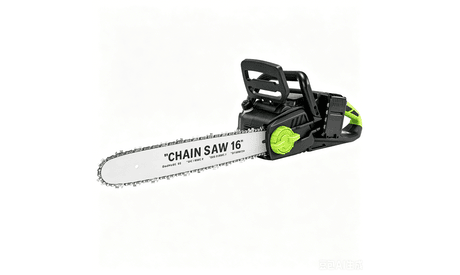
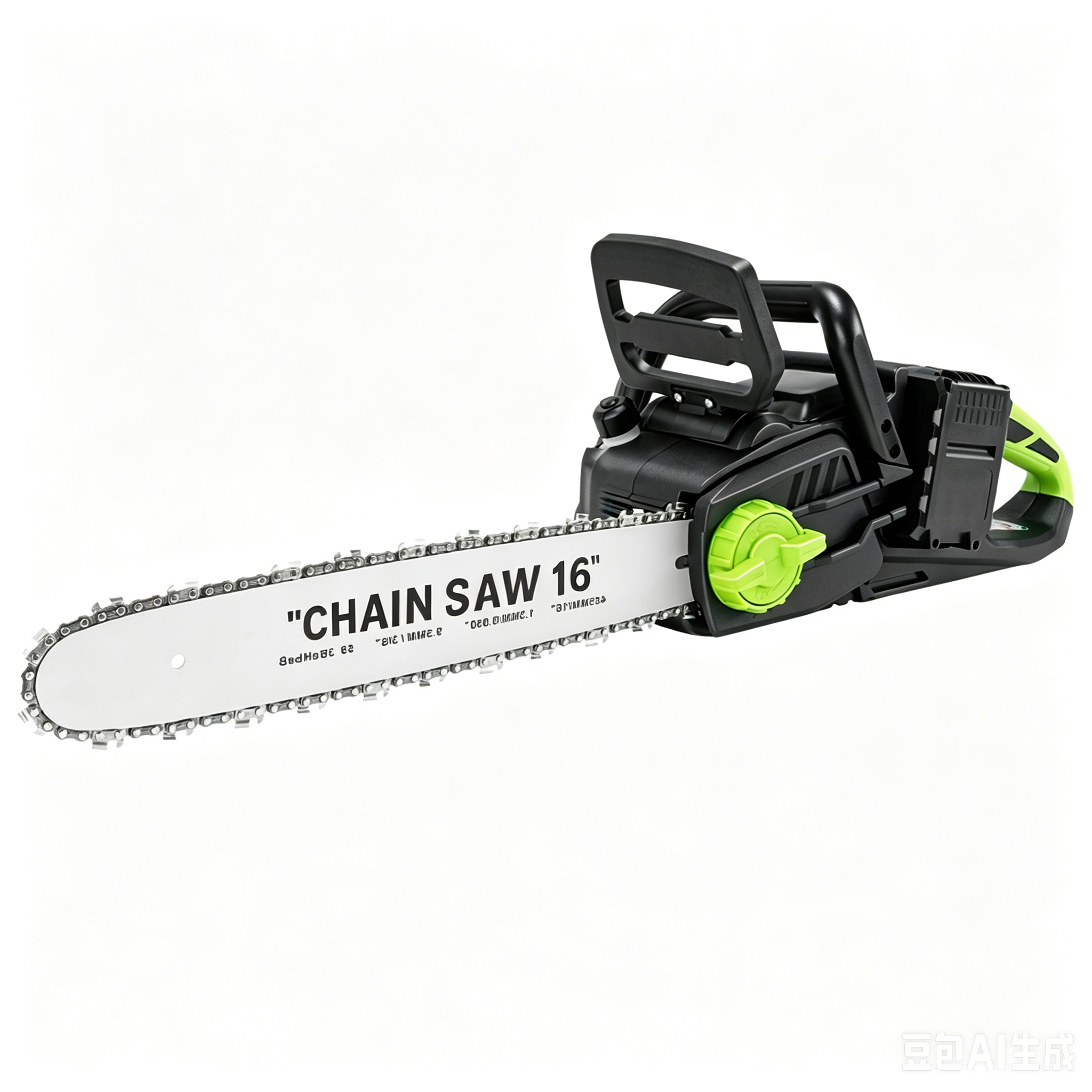
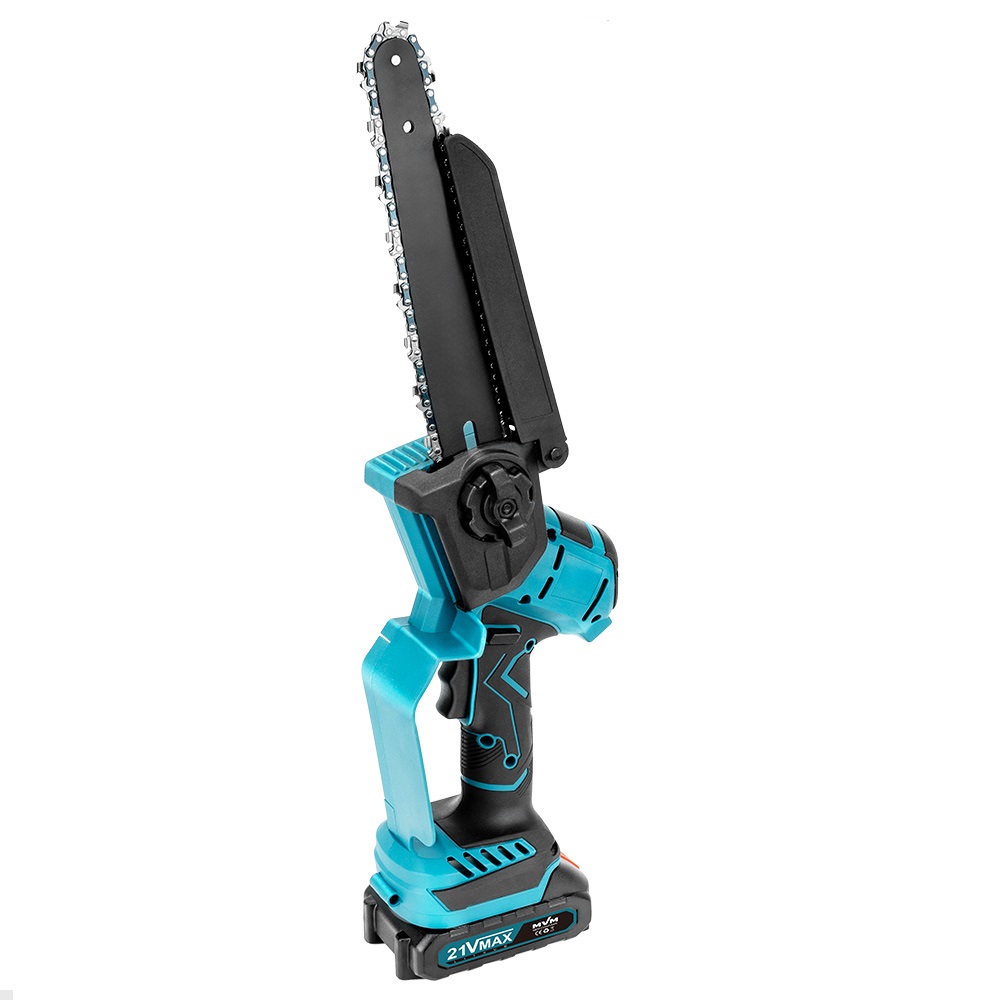
The chain is the cutting core of a cordless chainsaw, its sharpness and structural integrity directly impact cutting efficiency, operational safety, and the tool’s overall lifespan. A worn or damaged chain doesn’t just slow down your work with sluggish cuts and rough wood surfaces; it also wastes battery power, strains the motor, and raises serious safety risks like slipping or even chain breakage mid-operation.For MVM cordless chainsaw users, mastering the signs to replace the chainsaw chain is essential to keep your tool running smoothly and safely. Let’s dive into how to spot when it’s time for a new chain!
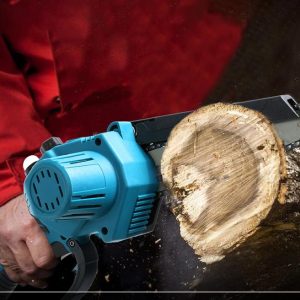
How Long Does a Chainsaw Chain Last
There’s no fixed standard for the lifespan of a chainsaw chain; it primarily depends on usage frequency, cutting scenarios, and maintenance quality. When using a cordless chainsaw for daily cutting, avoid cutting wood containing nails, stones, or other impurities, as this will significantly shorten its lifespan and may even require replacement after a single use. Regular lubrication and cleaning can effectively extend its lifespan. In practice, it’s recommended to use signs of wear such as dulling teeth and cutting difficulties to determine when to replace it.
The Importance of Replacing Cordless Chainsaw Chains
As the core cutting component of a cordless chainsaw, the chain’s condition directly impacts operational safety. A dull or cracked chain is prone to slippage or even breakage at high speeds, potentially causing wood to fly, tool loss of control, and injuries to the operator. Timely replacement of damaged chainsaw chains eliminates these safety hazards at the source, allowing the safety features of the cordless chainsaw to function effectively and ensuring reliable and safe cutting operations every time.
A well-maintained chain is the foundation of efficient cordless chainsaw operation. An aged and worn chain significantly reduces cutting efficiency, requiring repeated sawing to complete a cut, increasing the motor load, potentially damaging the motor and transmission system, and shortening the overall lifespan of the machine. Timely replacement with a high-quality new chain restores strong cutting force, making cutting smoother, reducing work time, lowering the probability of equipment failure, and extending the overall service life.

Signs that the chain needs replacement:
Significantly Degraded Cutting Performance
The chainsaw struggles to cut wood, requiring repeated sawing to make a cut, resulting in a rough, uneven surface with burrs, and even wood getting stuck, hindering smooth cutting.
Significant Chain Wear
The chain teeth are blunt and rounded, lacking sharpness to the touch, making it difficult to scrape wood easily. The chain pitch has widened, resulting in a loose fit with the guide plate and noticeable gaps when wobbling. The chain thickness has decreased, with varying depths of wear marks appearing on the links or guide grooves.
Chain Deformation or Damage
The chain is stiff and unable to rotate flexibly, or it may be twisted or bent. The links have cracks or chips, and the tooth height is significantly reduced, failing to meet normal cutting requirements.
Frequent Safety Hazards
The chain is prone to skipping teeth or jamming during cutting, or accompanied by abnormal vibrations and sharp noises. The chain tension frequently loosens, even after adjustment, and becomes loose again shortly after use, unable to maintain a stable position.
Frequent Safety Hazards
The chain easily skips teeth or jams during cutting, or is accompanied by abnormal vibrations and sharp noises. The chain tension frequently loosens, and even after adjustment, it loosens again shortly after use, making it difficult to maintain a stable position. Reaching Wear Limit Standards: The chainsaw chain wears to the manufacturer’s indicated limit, or the gap between the guide plate edge and the chain exceeds the specified value; the chain and guide plate exhibit alternating jamming and loosening, affecting normal transmission.
No Improvement After Maintenance
After maintenance such as grinding, lubrication, and tension adjustment, if the cutting performance and stability do not improve, and any of the above signs persist, it indicates that the chain cannot be restored to its function through maintenance.
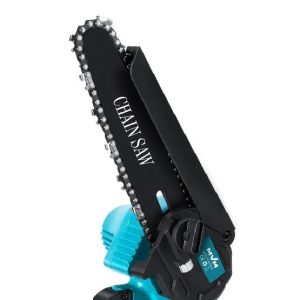
Chainsaw Chain Replacement Tips
Safe Power Disconnection
Before replacement chainsaw chain, always turn off the cordless chainsaw power and remove the battery. Allow the chain to cool completely before operation. When placing the tool, ensure the guide plate is secure to prevent slippage.
Model Compatibility
Choose a chain that perfectly matches the chainsaw brand and guide plate specifications. Incompatible models can cause loose installation, cutting jams, or even damage to the motor or guide plate.
Proper Installation
Follow the instructions to correctly wind the chain onto the guide plate, ensuring the chain links fit snugly against the guide plate teeth. Adjust the chain tension so that a light pull on the middle of the chain lifts 1-2 cm. Tighten the fixing screws and run the chainsaw idle for 30 seconds to check if the chain runs smoothly without jamming.
Chain Lubrication
After installing the new chain, add dedicated lubricating oil to the guide plate’s oil holes. Start the machine and run it idle for 1-2 minutes to allow the lubricating oil to evenly cover the chain and guide plate, preventing dry friction and wear during initial operation.
Disposal of old chains
Replaced old chains should be properly stored or sorted and recycled to avoid accidental disposal that could cause damage to others. If the old chain is broken or severely deformed, it should be handed over to a professional organization for processing and should not be reused.
Following the above precautions for replacement chainsaw chain ensures a safe and secure installation process, as well as stable operation of the new chain with the cordless chainsaw, maximizing its powerful cutting performance. Proper break-in and routine maintenance after replacement can effectively extend the chain’s lifespan, reduce the risk of malfunction, and make every cutting operation efficient and worry-free.
As a professional cordless power tool manufacturer, MVM focuses on user experience, providing not only reliable tools but also supporting OEM/ODM customization services. If you encounter any problems during product procurement, please feel free to contact us for professional technical support!