How to Clean Cordless Hedge Trimmer Blades
Cordless hedge trimmers, with their wireless portability and flexible operation, have become a common tool for garden trimming and maintenance. The hedge trimmer blades, as core working component, directly affects trimming efficiency and even operational safety. Over time, debris such as branches and leaves can easily accumulate in the blade’s serrations. If not cleaned promptly, this can lead to trimming jams, uneven cuts, accelerated rusting and wear, and even increased motor load, affecting the battery life and operational stability of cordless models.
Incorrect cleaning methods can cause moisture to seep into the hedge trimmer, leading to equipment malfunctions. This article will share a safe and non-damaging blade cleaning process, tailored to the specific characteristics of cordless models, to help you easily solve blade cleaning problems and keep your hedge trimmer in optimal working condition.
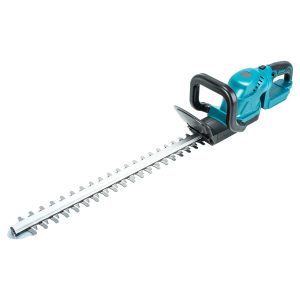
Importance of Cleaning Cordless Hedge Trimmer Blades
The cordless hedge trimmer blades are the core components that directly interact with plants. Their cleanliness not only affects the equipment’s performance but also directly impacts the model’s lifespan, battery life, and operational safety. It’s an indispensable part of daily maintenance.
Ensuring Pruning Efficiency
Over time, hedge trimmer blades can accumulate debris such as leaves, weeds, and other impurities. This fills the gaps between the blades, causing uneven cuts, torn branches and leaves, affecting the aesthetics of the yard, and making the hedgehog struggle to operate, requiring more power from the motor to turn the blades. Regularly cleaned blades keep them sharp, making the pruning process smoother and more efficient, while also preventing infection of plant cuts and promoting healthy plant growth.
Reducing Maintenance Costs
Cordless hedge trimmer blades are mostly made of carbon steel. Residual moisture mixed with plant sap can easily cause rust. Long-term accumulation can lead to chipped edges, nicks, and even affect the connection precision between the blade and the shaft, increasing the motor load. Cleaning blades promptly remove corrosive substances, preventing component wear and aging, reducing subsequent costs such as blade replacement and maintenance, and significantly extending the overall lifespan of the machine.
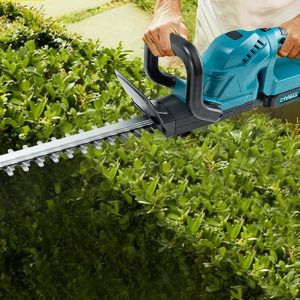
Protecting Battery life
Cordless hedge trimmers rely on built-in batteries for power. When the blade resistance is too high, the motor needs to consume more power to overcome the resistance, directly leading to a decrease in battery life. Prolonged overload operation can damage the battery cells and reduce battery cycle life.
Mitigating Safety Risks
Rusty or jammed blades are prone to skipping during trimming, potentially causing the hedge trimmer to malfunction and posing a risk of cuts to operators. Furthermore, residual sharp debris or rust fragments may fly during operation, injuring people. Cleaned blades, on the other hand, operate smoothly and cut precisely, reducing the likelihood of accidents.
Materials for Cleaning Hedge Trimmer
Basic cleaning tools: soft brush, cloth, garden shears, tweezers
Cleaning consumables: warm water, neutral detergent, resin remover, 400-600 grit sandpaper, neutral metal rust remover
Protective materials: cut-resistant gloves, safety glasses, mask, garden tool oil, rust inhibitor, absorbent cotton
Auxiliary tools: plastic basin, compatible screwdriver, paper towels
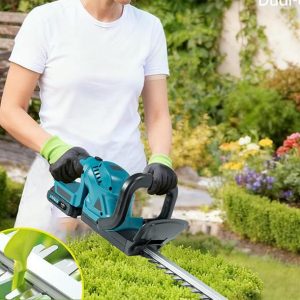
How to Clean Cordless Hedge Trimmer Blades
Power Off and Cool Down
Turn off the power to the hedge trimmer and remove the batteries. Allow the hedge trimmer blades to cool naturally for 10-15 minutes. Wear cut-resistant gloves, safety glasses, and a mask to prevent safety risks during cleaning.
Remove Surface Debris
Gently brush away any remaining twigs, dirt, or other debris along the blade teeth with a soft-bristled brush. Use tweezers to remove any small debris stuck in the teeth, ensuring the blade surface is free of any protruding debris.
Deep Cleaning
Pour warm water into a plastic basin and add a suitable amount of neutral detergent. Stir to dissolve the detergent, then use a cloth or sponge dampened with the detergent solution to repeatedly wipe the blade surface, teeth, and around the shaft. Lightly sand minor rust with 400-600 grit sandpaper.
Rinse and Dry
Damp a cloth with clean water and repeatedly wipe away any remaining detergent from the electric trimmer blade surface, avoiding the battery compartment and motor interface. Finally, wipe the blades and surrounding parts dry with a cloth, or place them in a well-ventilated area to air dry naturally, avoiding direct sunlight.
Post-cleaning inspection
After cleaning hedge trimmer blades, you need to check whether the blades are deformed or chipped, and whether the screws are loose. Tighten or replace the blades if necessary. Apply machine oil or chain oil evenly to key parts such as the blade meshing area and the shaft.
Storage
Store the cleaned and maintained hedge trimmer in a dry and well-ventilated place. The cordless hedge trimmer blades can be covered with protective covers to prevent them from being bumped or knocked.
Cleaning a hedge trimmer isn’t a complicated process, but it directly impacts the equipment’s performance and lifespan. Properly cleaning the trimmer blades ensures they remain sharp and smooth, reducing jamming and energy consumption, and preventing malfunctions caused by rust, allowing the trimmer to maintain stable performance over the long term.
As a brand specializing in cordless power tools in China, MVM cordless hedge trimmers, with their high-quality blades, offer OEM/ODM customization services across their entire product line, allowing for optimized configurations to meet diverse needs. If you have product procurement or customization requirements, please feel free to contact us; we will provide professional solutions and services.